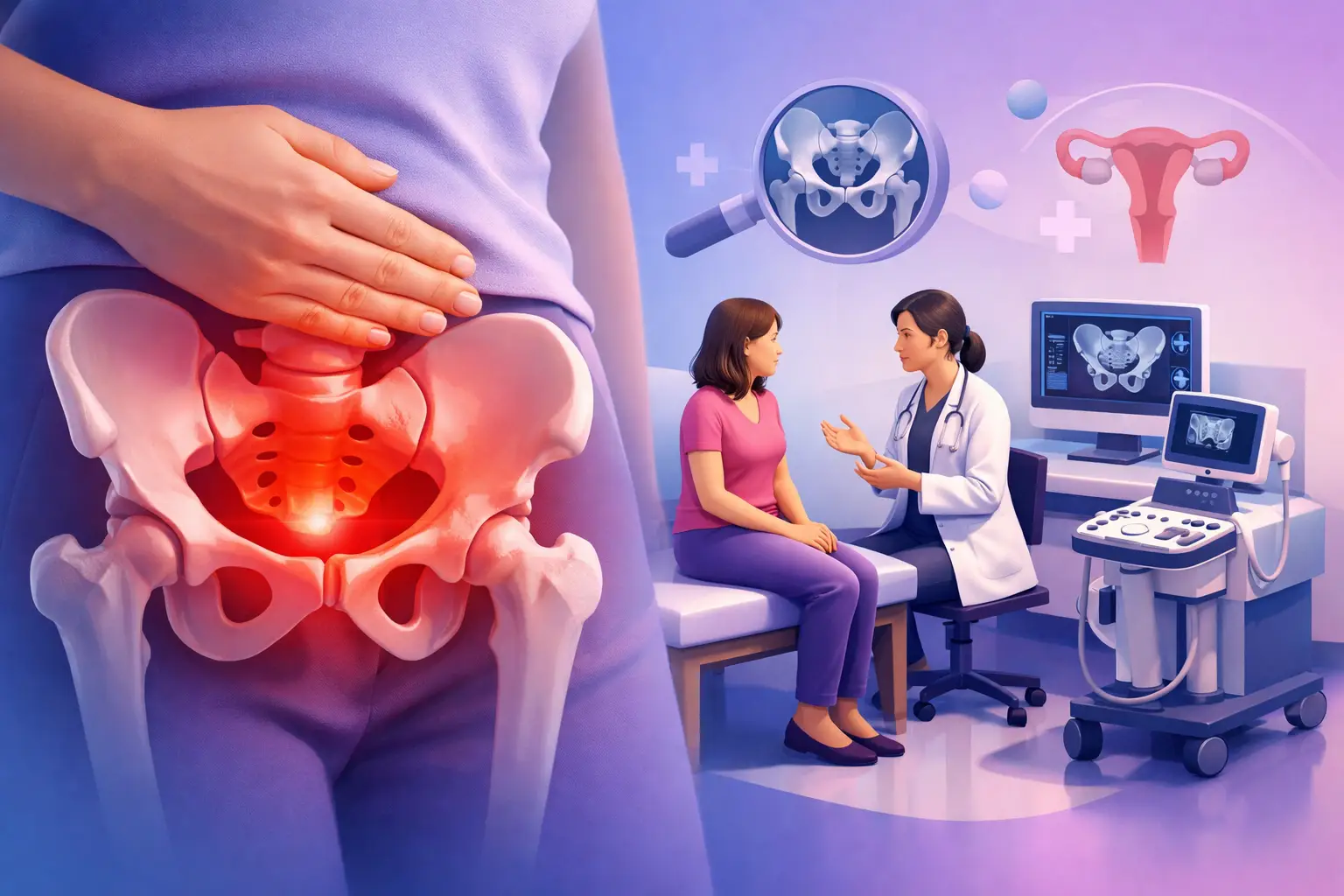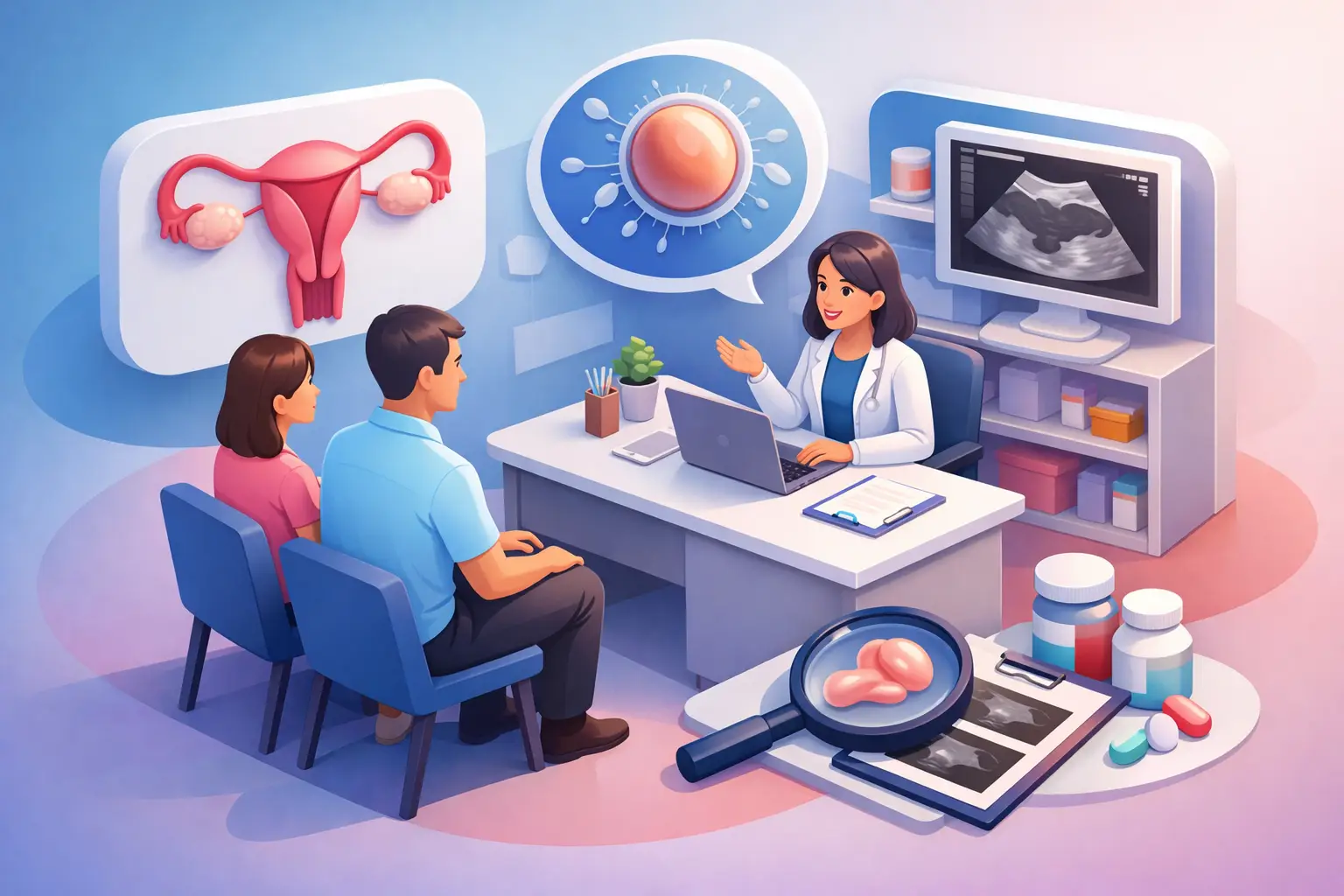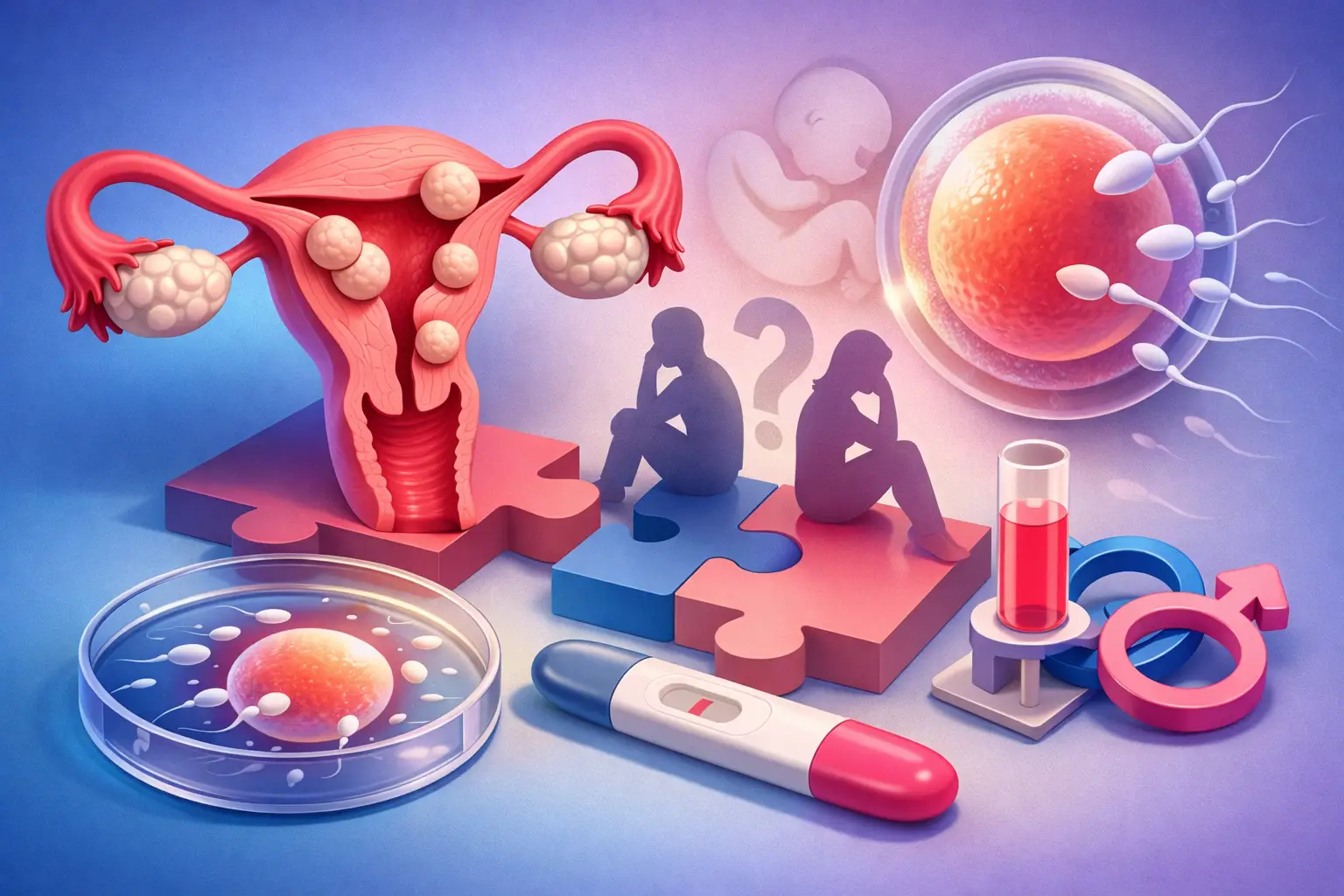
A positive pregnancy test can feel frustratingly out of reach when fibroids have been found on an ultrasound. So, can fibroids cause infertility? They can, but not every fibroid affects fertility, and many women with fibroids conceive naturally. The key questions are where the fibroid sits, whether it changes the shape of the uterine cavity, and whether there are other factors affecting conception.
Fibroids are noncancerous growths of the uterus. They are common during the reproductive years and can range from small, symptom-free nodules to larger growths that cause heavy bleeding, pelvic pressure, pain, or frequent urination. A scan that identifies fibroids is only the beginning. A careful fertility assessment determines whether they are likely to be part of the problem and whether treatment is likely to improve the chance of pregnancy.
Can Fibroids Cause Infertility?
Fibroids may interfere with fertility by affecting implantation, changing the uterine cavity, obstructing the fallopian tubes, or altering blood flow to the endometrium, the lining where an embryo implants. They may also contribute to inflammation within the uterus. However, the connection is not equal for every type of fibroid.
A small fibroid on the outer surface of the uterus is often incidental. By contrast, a fibroid that grows into the uterine cavity can have a meaningful effect even when it is relatively small. Large fibroids can also alter the anatomy of the pelvis or uterus enough to make conception or pregnancy more difficult.
It is understandable to want a simple answer after receiving a diagnosis. Yet fertility is rarely explained by one scan finding alone. Age, ovulation, ovarian reserve, sperm health, fallopian tube patency, endometriosis, adenomyosis, and the length of time spent trying to conceive all deserve consideration. Treating a fibroid that is not affecting fertility may expose a woman to procedure-related risks without improving her chance of pregnancy. This is why individualized advice matters.
Location Usually Matters More Than Size
Fibroids are described according to where they arise in the uterus. Their location gives valuable clues about their potential reproductive impact.
Submucosal fibroids
Submucosal fibroids grow toward or into the uterine cavity. They are the type most consistently associated with reduced fertility, failed embryo implantation, and miscarriage. Even a small submucosal fibroid can disrupt the smooth surface of the uterine cavity. When treatment is appropriate, hysteroscopic removal through the cervix may be an option, without an abdominal incision.
Intramural fibroids
Intramural fibroids develop within the muscular wall of the uterus. Their effect depends on size, number, proximity to the cavity, and whether they distort it. An intramural fibroid that presses on or changes the uterine cavity may affect fertility. For fibroids that do not distort the cavity, the benefit of removing them before trying to conceive or before IVF is less certain and should be weighed carefully.
Subserosal fibroids
Subserosal fibroids grow outward from the surface of the uterus. They are less likely to affect conception directly because they usually do not interfere with the uterine cavity. They may still require attention if they are very large, cause significant symptoms, or press on nearby organs.
Pedunculated fibroids
Some fibroids are attached by a stalk. Depending on whether they project inward or outward, their effect can resemble submucosal or subserosal fibroids. Imaging helps clarify their exact position before a treatment plan is made.
Signs That Fibroids May Be Affecting Fertility
Fibroids do not always cause symptoms. When they do, heavy or prolonged periods, pelvic pressure, abdominal enlargement, urinary frequency, constipation, and painful periods are common. These symptoms alone do not prove that fibroids are causing infertility, but they may suggest a larger or more complex fibroid burden.
Fertility concerns deserve closer evaluation when there has been difficulty conceiving for 12 months if under 35, or six months if 35 or older. Earlier assessment is sensible for women with irregular periods, recurrent miscarriage, known endometriosis, prior pelvic surgery, or significant fibroid symptoms.
Recurrent implantation failure during IVF or repeated early pregnancy loss may also prompt a detailed review of the uterine cavity. In these situations, a standard pelvic ultrasound may not provide the whole picture.
How Specialists Assess Fibroids Before Fertility Treatment
A transvaginal ultrasound is often the first test, but it may be followed by saline infusion sonography, hysteroscopy, or MRI. These tests help define whether a fibroid is distorting the cavity, how deeply it extends into the uterine wall, and how it relates to the fallopian tubes and other pelvic structures.
MRI can be particularly useful for multiple fibroids, very large fibroids, adenomyosis, or complex surgical planning. It provides a detailed map of the uterus and helps a specialist choose the approach that best balances symptom relief, safety, and fertility preservation.
A complete evaluation should not stop with the uterus. Ovulation assessment, ovarian reserve testing when appropriate, tubal assessment, and semen analysis are often part of the conversation. Finding fibroids should not delay the identification of another treatable cause of infertility.
When Fibroid Treatment May Help
Treatment is more likely to be recommended when a fibroid protrudes into the uterine cavity, clearly distorts the cavity, blocks access to a fallopian tube, causes severe bleeding or pain, or is large enough to significantly change uterine anatomy. It may also be considered before fertility treatment when imaging suggests that the fibroid is likely to reduce the chance of implantation.
For women who hope to conceive, myomectomy is the established fertility-preserving surgical treatment. It removes fibroids while retaining the uterus. The technique depends on the fibroids’ size, number, and location. Hysteroscopic myomectomy is used for selected fibroids within the cavity. Laparoscopic, 3D laparoscopic, or robotic myomectomy may be suitable for fibroids within or on the outer surface of the uterine wall, including selected complex cases.
Minimally invasive approaches can mean smaller incisions, less postoperative pain, and a faster return to daily activities than open surgery. But the safest approach is not always the smallest incision. A large number of deeply embedded fibroids, prior surgery, severe endometriosis, or concern about bleeding may change the surgical recommendation. The priority is precise removal and careful reconstruction of the uterus.
Fertility Preservation Requires a Balanced Discussion
Any procedure on the uterus has potential trade-offs. Myomectomy can cause bleeding, infection, scar tissue, or adhesions, and fibroids can recur over time. When the uterine wall has been deeply incised, a future pregnancy may require closer monitoring and, in some circumstances, delivery by cesarean section. The recommended interval before attempting pregnancy also varies according to the extent of surgery and uterine repair.
Other fibroid treatments may be excellent for symptom control but are not automatically the best choice for someone planning pregnancy. Uterine artery embolization can affect blood supply to the uterus and ovaries and is generally approached cautiously when future fertility is a priority. Endometrial ablation is not a fertility treatment and should not be used by women who wish to carry a future pregnancy.
Focused ultrasound and other noninvasive techniques may be appropriate for carefully selected women, but their role should be discussed in the context of the fibroid pattern, reproductive plans, available evidence, and the need for a durable outcome. A fertility-preserving plan should never be based on convenience alone.
Preparing for Pregnancy After Fibroid Care
After treatment, follow-up imaging may be recommended to assess uterine healing and confirm that the cavity is suitable for conception. Some women can begin trying naturally after the advised recovery period, while others may benefit from coordinated care with a fertility specialist.
Attention to anemia is also important. Heavy bleeding from fibroids can lower iron levels, causing fatigue and reducing overall well-being before pregnancy. Correcting iron deficiency, managing symptoms, and planning pregnancy at a time when the uterus has adequately healed are practical parts of fertility care.
A fibroid diagnosis should not take away your sense of possibility. The most useful next step is a detailed consultation that looks beyond the scan, protects your reproductive choices, and gives you a clear plan for pregnancy on the safest possible timeline.