
Pelvic pain is not simply a symptom to “put up with,” especially when it changes how you work, sleep, exercise, have sex, or plan for pregnancy. Some discomfort may be temporary, such as mild cramping around a period, but persistent, worsening, or severe pain deserves a careful medical assessment. The aim is not only to find relief, but to understand what is causing the pain and protect your long-term health, fertility, and quality of life.
Pelvic Pain Can Have Many Different Patterns
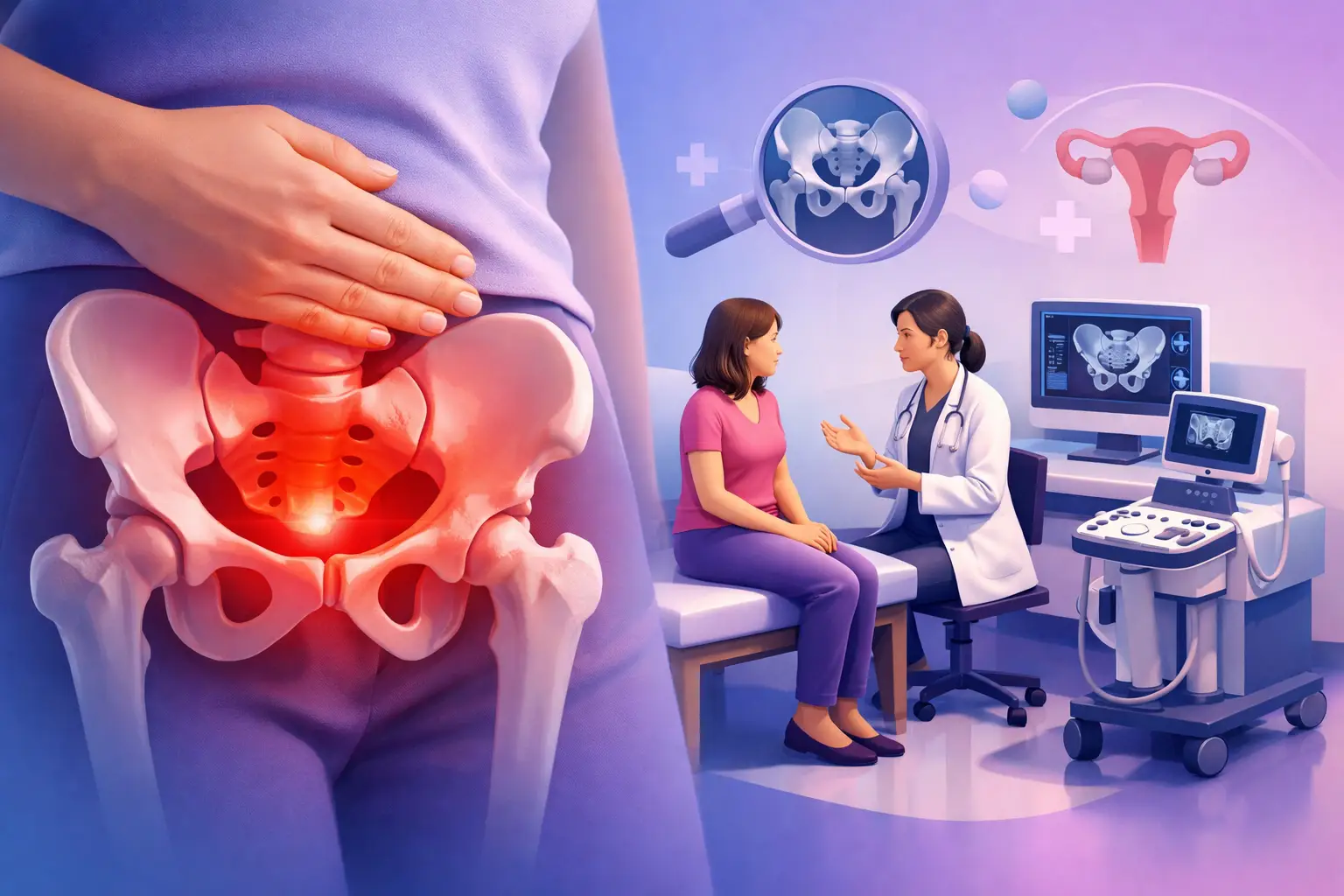
Pain in the lower abdomen or pelvis can feel crampy, sharp, burning, heavy, or like deep pressure. It may occur only during menstruation, around ovulation, during intercourse, when passing urine or stool, or at unpredictable times throughout the month. Some women experience pain that radiates to the lower back, hips, thighs, or rectum.
The pattern matters. Pain that has been present for years may have a different cause from pain that appears suddenly. Likewise, pain that improves with simple medication may require a different approach than pain that leaves you unable to function normally. A detailed history allows a gynecologic specialist to look beyond the symptom itself and identify the most likely source.
Pain can also be influenced by hormonal changes, previous surgery, pregnancy history, bowel or bladder symptoms, and emotional strain. This does not mean the pain is “all in your head.” Chronic pain is real and can affect the nervous system, sleep, mood, relationships, and daily confidence. A respectful consultation should take all of these effects seriously.
When Pelvic Pain Needs Urgent Attention
Sudden, severe pelvic or abdominal pain should not be ignored. Seek urgent medical care if pain is accompanied by fainting, dizziness, fever, persistent vomiting, a rigid or swollen abdomen, heavy vaginal bleeding, or a positive pregnancy test. These symptoms can sometimes signal conditions that need prompt treatment, including an ectopic pregnancy, ovarian torsion, a ruptured ovarian cyst, severe infection, or internal bleeding.
You should also arrange a specialist appointment when pain is recurring, becoming more severe, interfering with daily life, or returning after previous treatment. Pain during sex, bowel movements, urination, or menstruation is not automatically normal just because it has been happening for a long time. The same applies to severe period pain that requires repeated time off work or school, or pain associated with difficulty conceiving.
Common Gynecologic Causes of Pelvic Pain
Endometriosis is one of the most common causes of ongoing pelvic pain. It occurs when tissue similar to the lining of the uterus grows outside the uterus, often affecting the ovaries, pelvic lining, bowel, bladder, or tissues around nerves. Symptoms can include painful periods, deep pain during intercourse, bowel or bladder pain, fatigue, and infertility. In deep infiltrating endometriosis, disease can involve multiple pelvic organs and requires particularly precise planning.
Adenomyosis, where tissue similar to the uterine lining grows into the muscular wall of the uterus, can cause heavy bleeding, severe cramps, pelvic pressure, and an enlarged or tender uterus. Uterine fibroids may also lead to pressure, pain, heavy periods, frequent urination, constipation, or fertility concerns, depending on their size and location.
Ovarian cysts are another possible cause. Many are harmless and resolve naturally, but some can persist, bleed, rupture, twist the ovary, or have features that need closer evaluation. Pelvic inflammatory disease, pelvic adhesions after infection or surgery, and scar tissue can also contribute to chronic discomfort.
Not all pelvic pain is gynecologic. Bladder conditions, irritable bowel syndrome, inflammatory bowel disease, muscle and pelvic floor dysfunction, nerve pain, and orthopedic problems can cause similar symptoms. This is why a focused assessment is essential. Treating presumed endometriosis, for example, without considering bowel, bladder, or musculoskeletal causes may delay the care that will actually help.
How a Specialist Evaluation Brings Clarity
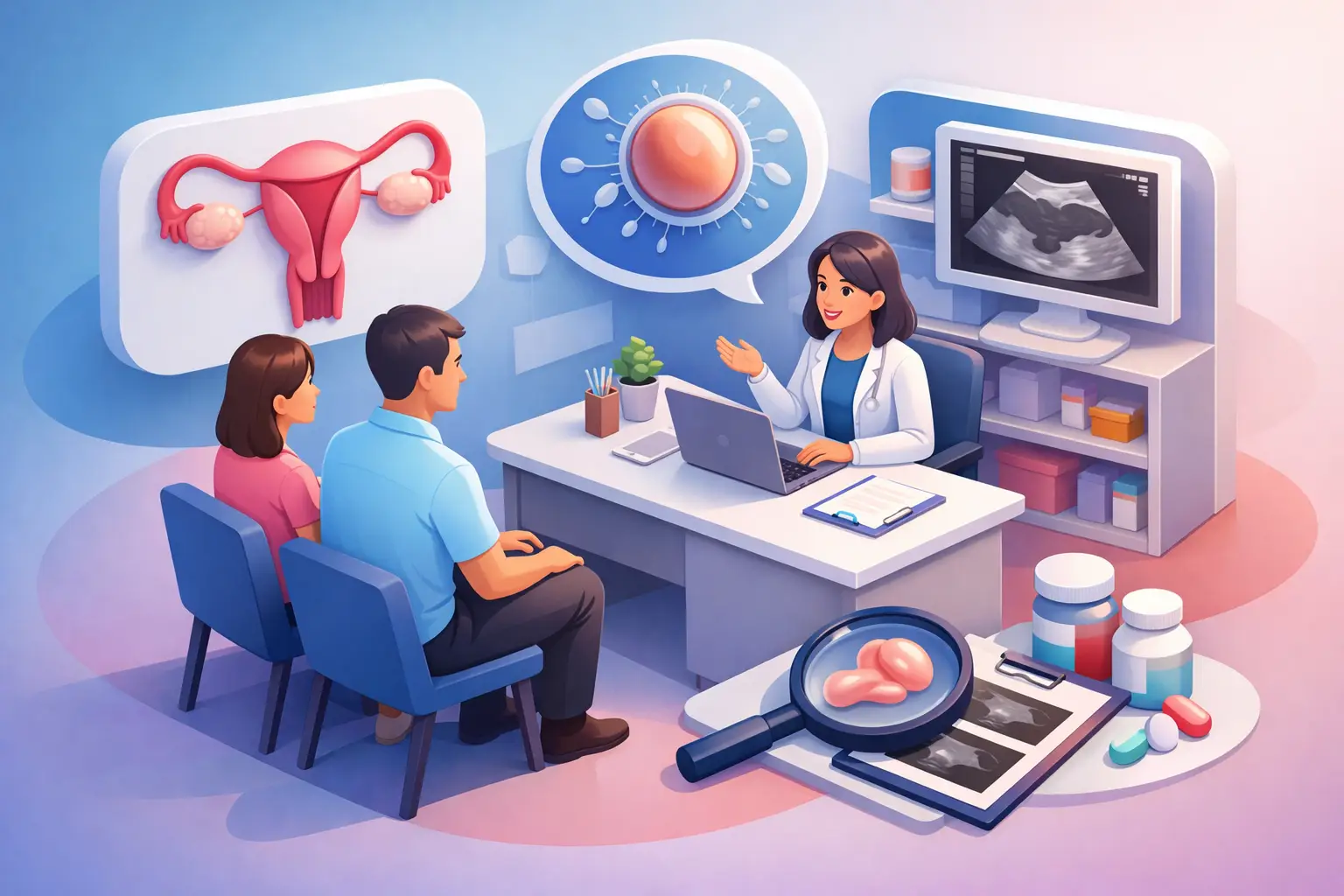
An effective assessment starts with listening. Your specialist may ask when the pain began, where it occurs, what makes it better or worse, how it relates to your menstrual cycle, and whether you have bleeding, bowel, bladder, or fertility concerns. Previous scans, operative reports, medication history, and family history can provide valuable clues.
A pelvic examination may be recommended, but it should always be explained clearly and performed with your consent. Depending on your symptoms, further assessment may include an ultrasound, blood tests, MRI, or other targeted investigations. Ultrasound is useful for identifying fibroids, ovarian cysts, and some features of adenomyosis, while MRI can provide more detailed mapping when deep endometriosis or complex pelvic disease is suspected.
A normal scan does not always rule out endometriosis or other causes of pain. Imaging is one part of the clinical picture, not the whole answer. When symptoms, examination findings, and imaging do not align, an experienced gynecologic surgeon can help determine whether medical treatment, continued monitoring, or minimally invasive surgery is appropriate.
Treatment Should Match Your Diagnosis and Goals
There is no single best treatment for every woman with pelvic pain. The right plan depends on the likely cause, symptom severity, age, fertility goals, medical history, and personal preferences. Some women benefit from anti-inflammatory medication, hormonal treatment, or pelvic floor physical therapy. Others need treatment for a bladder or bowel condition alongside gynecologic care.
For endometriosis, hormonal therapies may reduce bleeding and suppress pain for some patients. However, they do not remove existing disease, and they may not be suitable if you are trying to conceive, have certain medical conditions, or experience unacceptable side effects. Surgery may be considered when pain remains significant despite medical treatment, when anatomy is distorted, when an ovarian endometrioma is present, or when deep disease affects the bowel, bladder, ureters, or reproductive organs.
For fibroids and adenomyosis, options range from medication and uterine-sparing procedures to surgery. The decision should be based on more than the size of a fibroid or the appearance of a scan. Heavy bleeding, pressure symptoms, anemia, pain, desire for pregnancy, and the wish to preserve the uterus all deserve consideration.
Advanced Surgery for Complex Pelvic Disease
When surgery is needed, the goal is to treat disease thoroughly while preserving healthy tissue whenever possible. This is especially important for women with deep infiltrating endometriosis, severe adhesions, large or multiple fibroids, recurrent cysts, or disease involving more than one organ.
Minimally invasive approaches, including 3D laparoscopy and robotic gynecologic surgery, can allow highly precise dissection through small incisions. For selected conditions, vNOTES surgery may avoid external abdominal scars, while other procedures such as microwave ablation or HIFU may offer uterine-preserving options for appropriately chosen fibroids or adenomyosis. These technologies are valuable because of how they support surgical precision, less postoperative pain, and recovery, but they are not automatically the right choice for every diagnosis.
Complex disease should be treated by a team with the experience to plan for the full extent of the problem. If endometriosis affects the bowel, bladder, or urinary tract, coordinated care with other surgical specialists may be necessary. A thorough preoperative discussion should cover the expected benefits, possible complications, recovery, alternatives, and how the plan supports your fertility and longer-term health.
Preparing for Your Appointment
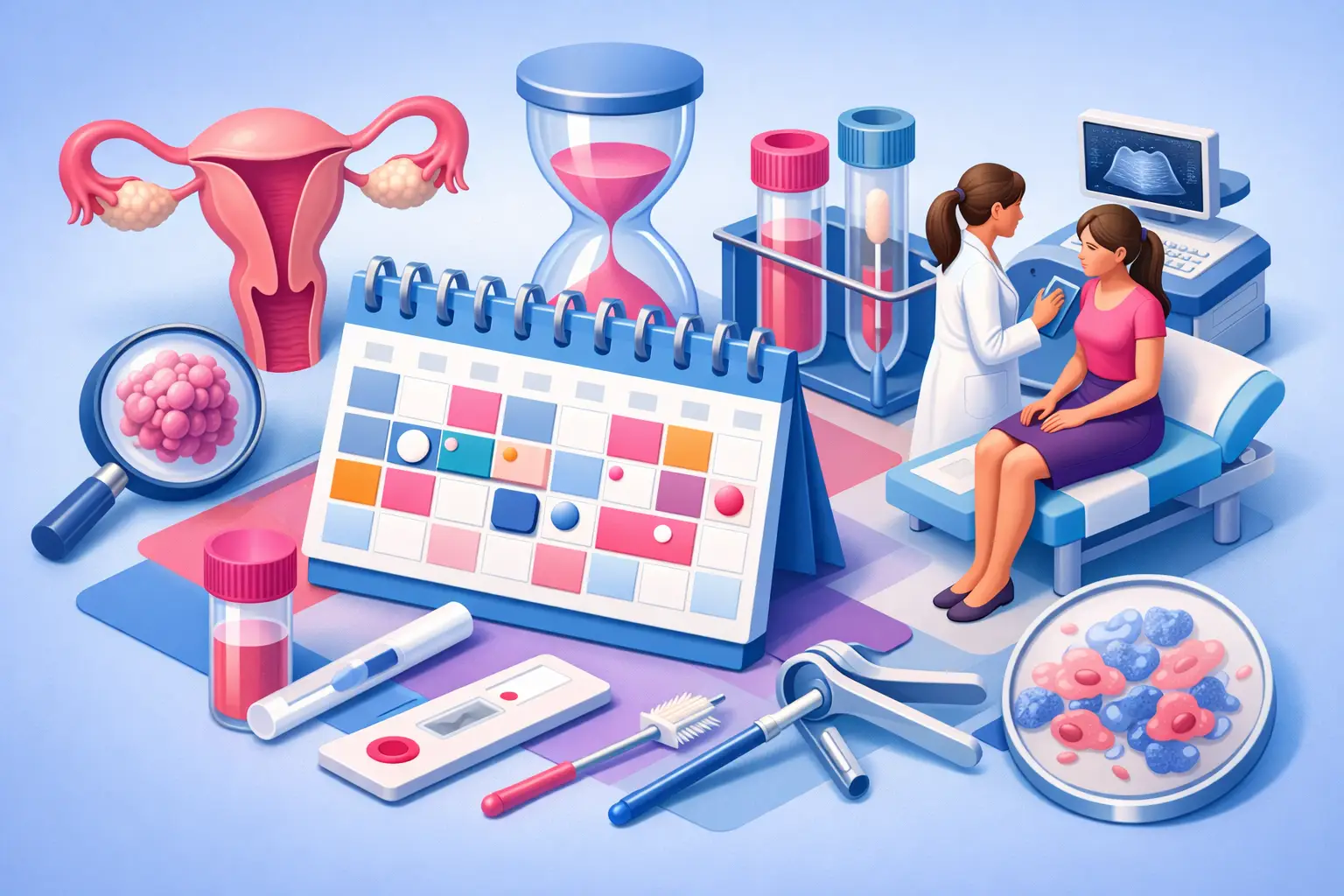
Before your consultation, note when the pain occurs and how it affects your routine. Record your period dates, bleeding pattern, medications, and any symptoms involving sex, urination, bowel movements, or fertility. Bring previous ultrasound or MRI reports, laboratory results, and records of prior procedures if you have them.
It can also help to write down what matters most to you. You may want pain relief that allows you to return to exercise and work, a fertility-preserving plan, an alternative to major open surgery, or a clear second opinion before making a decision. There is no need to minimize your symptoms. Specific examples of missed events, disrupted sleep, or painful daily activities help your doctor understand the true impact of the condition.
At Dr. Sharifah Halimah Jaafar’s practice, consultations are designed to give women clear answers, thoughtful options, and care that respects both medical complexity and personal choices. If pelvic pain is affecting your life, booking a specialist assessment is a practical first step toward a diagnosis and a treatment plan that feels right for you.