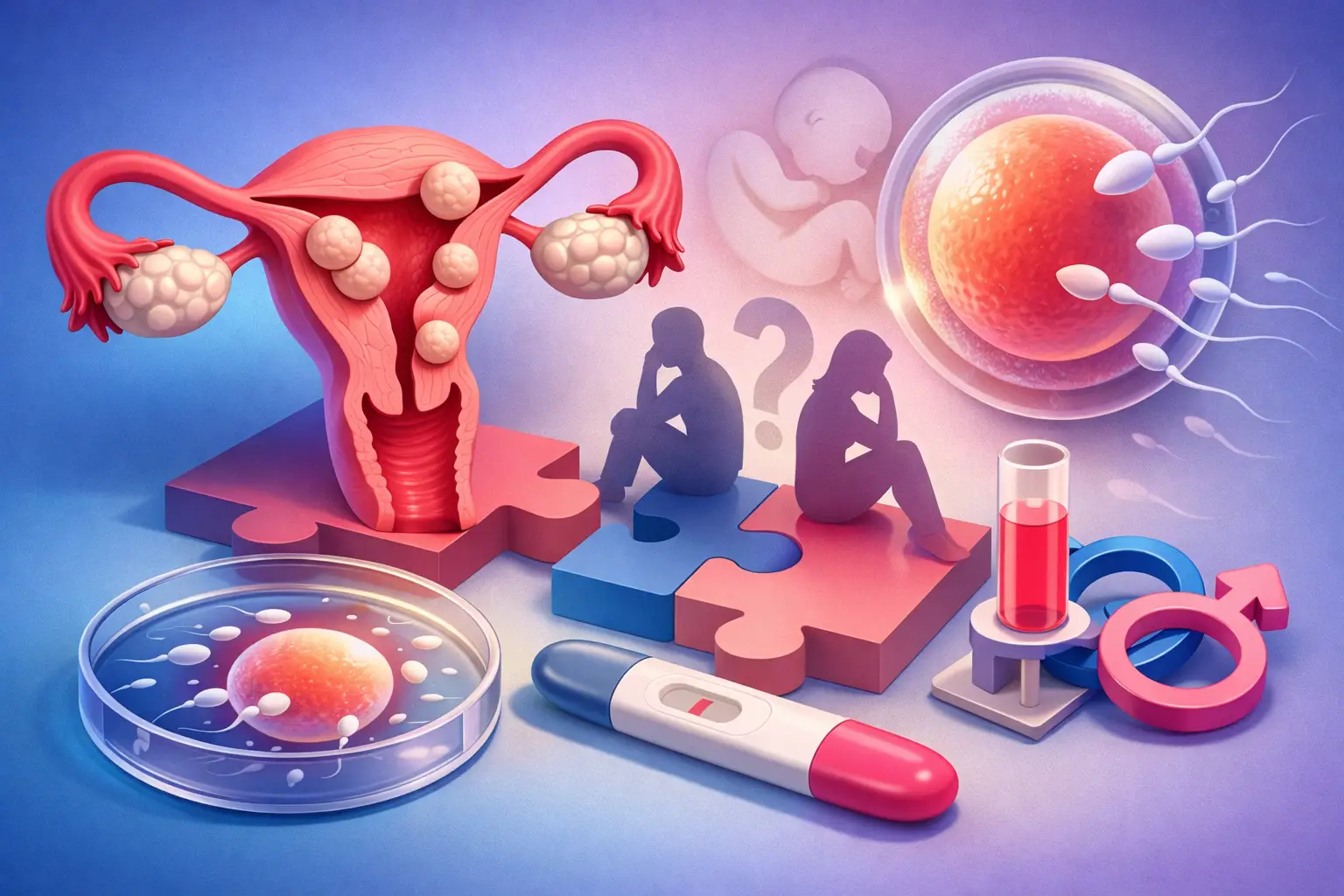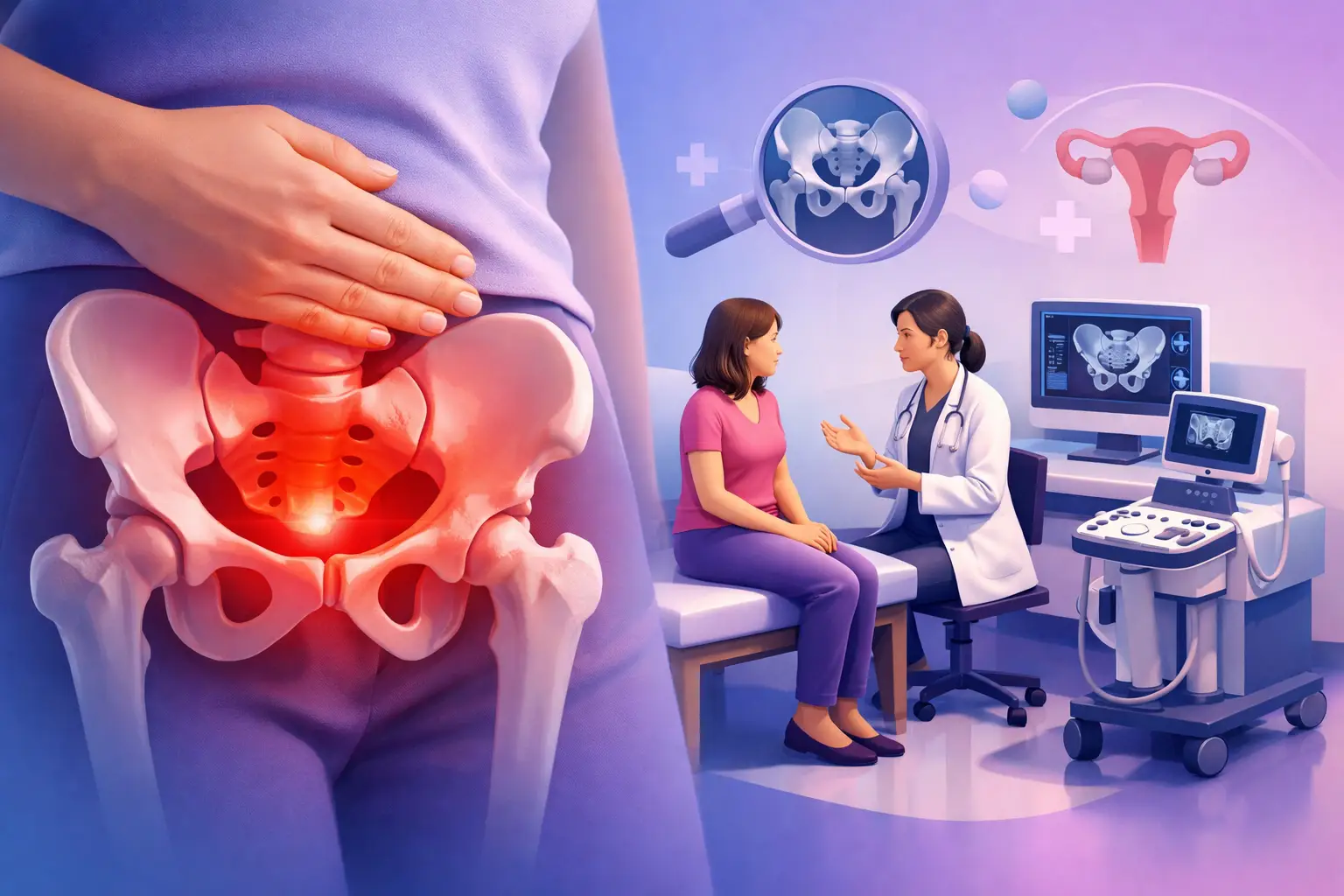

A fibroid diagnosis can leave you facing a decision that feels larger than the fibroid itself: treat it without surgery, remove only the fibroid, or remove the uterus altogether. When considering HIFU versus fibroid surgery, the right choice is rarely about finding the newest treatment or the least invasive option in isolation. It is about matching treatment to your symptoms, fibroid characteristics, fertility plans, and long-term health goals.
For some women, high-intensity focused ultrasound, or HIFU, offers meaningful symptom improvement with no surgical incision. For others, surgery is the more reliable route because it removes fibroids, confirms the diagnosis through tissue analysis, or addresses disease that is too large, numerous, or complex for HIFU. A careful specialist assessment helps turn a difficult choice into a clear, personalized plan.
What HIFU treatment does for fibroids
HIFU uses focused ultrasound energy to heat and destroy targeted fibroid tissue inside the uterus. The treatment is guided by imaging, commonly MRI or ultrasound, so the clinician can identify the fibroid and direct energy precisely while protecting surrounding structures.
Unlike surgery, HIFU does not remove the fibroid from the body. Instead, the treated tissue gradually shrinks over time. This can reduce heavy menstrual bleeding, pelvic pressure, frequent urination, bloating, and discomfort caused by appropriately selected fibroids.
The appeal is understandable. HIFU involves no abdominal incision, usually allows a quicker return to normal activities, and avoids the surgical cutting and suturing required with myomectomy or hysterectomy. Many patients also value the possibility of treating fibroids while preserving the uterus.
However, a noninvasive treatment is not automatically the best treatment. HIFU results depend heavily on the number, size, location, and imaging appearance of the fibroids. It is most effective when the fibroids can be safely reached and adequately heated without placing the bowel, bladder, nerves, or skin at unnecessary risk.
HIFU versus fibroid surgery: the essential difference
The central distinction is straightforward: HIFU ablates fibroid tissue in place, while surgery removes fibroids or, in the case of hysterectomy, removes the uterus.
Myomectomy is surgery designed to remove fibroids while preserving the uterus. It may be performed hysteroscopically through the cervix for fibroids growing into the uterine cavity, laparoscopically through small abdominal incisions, robotically for enhanced precision in suitable cases, or through open surgery when fibroids are very large or complex. The approach should be based on the fibroids and the woman, not simply on what is easiest to schedule.
Hysterectomy is the definitive treatment for fibroids because the uterus is removed, so fibroids cannot return. It may be appropriate for women with severe symptoms who do not wish to carry a future pregnancy, particularly when fibroids are extensive or have recurred after previous treatment. It is a major personal decision, and a thoughtful conversation should include alternatives whenever they are clinically appropriate.
HIFU and myomectomy both preserve the uterus, but they do so differently. Myomectomy physically removes fibroids and can be particularly valuable when fertility is a priority, when fibroids distort the uterine cavity, or when a precise pathological assessment is needed. HIFU avoids incisions but leaves treated tissue to break down gradually, and some fibroids may not be suitable for complete treatment.
Recovery and symptom relief
Recovery is often one of the first considerations. After HIFU, many women can resume light daily activities within days, although temporary cramping, pelvic discomfort, fatigue, or vaginal discharge may occur. Fibroid shrinkage is gradual, so symptom improvement may develop over several weeks to months rather than immediately.
Recovery after minimally invasive myomectomy is longer, commonly measured in weeks, but it is generally faster and less painful than recovery after an open abdominal operation. The exact timeline depends on the surgical method, number of fibroids removed, depth of uterine repair, and any additional procedures required. Open surgery usually requires a more substantial recovery period.
Surgery can provide more immediate relief from symptoms caused by a removed fibroid, especially pressure-related symptoms. Heavy bleeding may also improve quickly, although the uterus needs time to heal. With HIFU, bleeding and bulk symptoms often improve as the fibroid loses blood supply and decreases in volume.
Neither treatment should be judged by recovery time alone. A short recovery is valuable, but durable relief matters just as much. If HIFU is unlikely to treat all clinically significant fibroids, or if symptoms are caused by adenomyosis, endometriosis, or another pelvic condition as well, a faster initial recovery may not produce the best overall outcome.
Fertility: an individualized discussion
For women who hope to become pregnant, the conversation requires particular care. Fibroids do not always affect fertility, but those that distort the uterine cavity, interfere with implantation, block the fallopian tubes, or contribute to miscarriage may require treatment before pregnancy.
Myomectomy has the longest-established role for fibroids that are believed to affect fertility, particularly submucosal fibroids or larger intramural fibroids that alter the shape of the uterine cavity. It allows the surgeon to restore uterine anatomy and remove tissue that may be contributing to abnormal bleeding or reproductive difficulty.
Pregnancy after HIFU has been reported, but the evidence base is less established than for myomectomy in women actively pursuing fertility treatment or pregnancy. The effect of ablated fibroid tissue and post-treatment uterine changes must be considered carefully. If future fertility is your priority, do not assume that a uterus-preserving procedure is automatically fertility-optimizing.
Your age, ovarian reserve, partner factors, history of miscarriage, previous uterine surgery, and timeline for pregnancy all influence the recommendation. A woman planning pregnancy soon may make a different decision from someone who wants to preserve the option of pregnancy but is not trying to conceive now.
When HIFU may be a good option
HIFU may be worth considering when symptoms are caused by a limited number of accessible fibroids, the uterus does not contain severe distortion, and imaging confirms a safe treatment path. It can be especially appealing for women who want to avoid an incision, have medical reasons to minimize surgery, or need a shorter recovery before returning to work or family responsibilities.
It may also suit women who have completed childbearing but prefer a uterus-preserving alternative to hysterectomy, provided their fibroids meet treatment criteria. The key word is “provided.” Not all fibroid types respond equally, and not every location can be safely targeted.
Certain factors can make HIFU less suitable. These include very large or numerous fibroids, fibroids positioned close to sensitive structures, heavy calcification, difficult access due to bowel location or scar tissue, and suspected coexisting pelvic disease requiring surgical assessment. A detailed ultrasound and, when indicated, MRI are essential before recommending treatment.
When surgery may offer a better answer
Surgery is often the stronger option when fibroids are causing major distortion of the uterus, severe anemia from heavy bleeding, persistent pain, bladder or bowel pressure, or fertility concerns linked to fibroid position. It may also be recommended when a fibroid is growing rapidly, imaging is not fully reassuring, or a tissue diagnosis is needed to exclude uncommon but important conditions that can resemble fibroids.
Surgical care is particularly valuable when fibroids coexist with endometriosis, ovarian cysts, adhesions, or adenomyosis. In these situations, treating only the fibroid may leave the real source of pain or bleeding unresolved. Advanced minimally invasive surgery, including 3D laparoscopy or robotic surgery where appropriate, can allow careful treatment of complex pelvic disease with smaller incisions and a focus on preserving healthy tissue.
A surgeon’s experience matters. Fibroid removal requires thoughtful planning to control bleeding, protect the uterine cavity, repair the uterus securely, and reduce adhesions where possible. For women with complex fibroids or previous surgery, a specialist opinion can make a meaningful difference to both safety and outcome.
Questions that should shape your decision
A useful consultation goes beyond asking, “Can I have HIFU?” It asks whether HIFU is likely to address the fibroids responsible for your symptoms and whether it supports your plans for the future. You should understand how many fibroids are present, where they are located, how much they affect the uterine cavity, and whether another condition may be contributing to your symptoms.
Ask what improvement is realistic, how long it may take, whether repeat treatment could be needed, and what options remain if symptoms persist. If surgery is advised, ask why a hysteroscopic, laparoscopic, robotic, or open approach is being recommended. These questions are not challenging your care. They are part of informed, confident decision-making.
At Dr. Sharifah Halimah Jaafar’s practice, treatment planning is centered on precise diagnosis and the option that best protects your health, comfort, and reproductive goals. Whether that means HIFU, fertility-preserving myomectomy, or more definitive surgery, you deserve an explanation that is clear enough to make the decision feel like your own.
The most helpful next step is a specialist evaluation that considers your scan findings alongside the life you want to return to: periods you can manage, a body free from ongoing pressure or pain, and fertility choices that remain in your hands.