

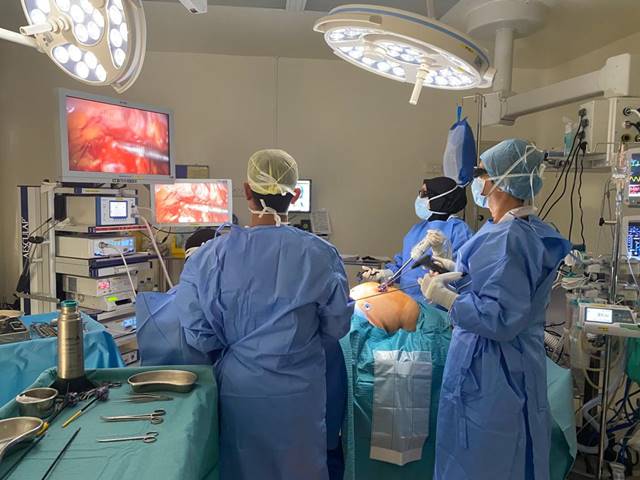
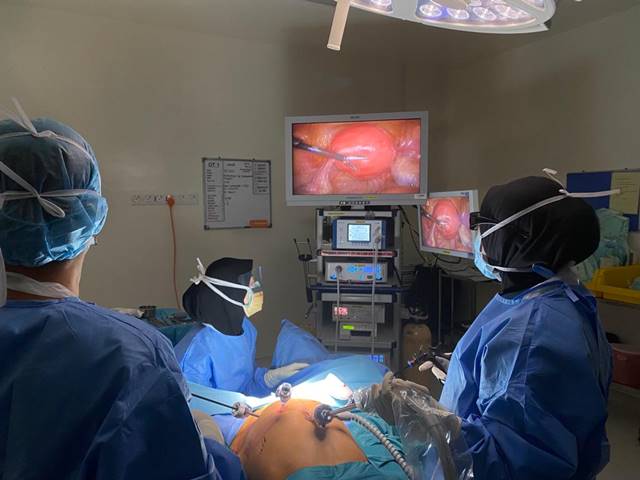
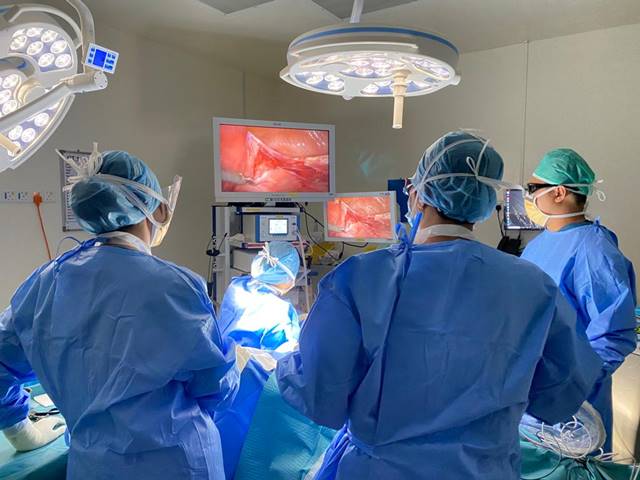
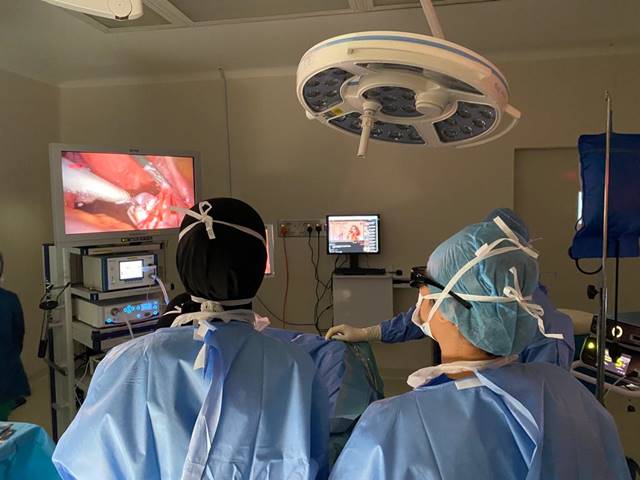
MWA (Microwave Ablation)

Dr. Sharifah Halimah Jaafar—Malaysia’s leading endometriosis specialist with over 25 years of experience—offers Microwave Ablation (MWA), an innovative, minimally invasive solution for women struggling with endometriosis, fibroids, ovarian cysts, and pelvic pain.

What is Microwave Ablation (MWA)?

Microwave Ablation is a high-precision treatment that uses targeted microwave energy to destroy abnormal tissue—such as endometriosis lesions or fibroids—while preserving your uterus, ovaries, and surrounding healthy tissue. The procedure is performed via a slim probe guided by ultrasound or CT, generating controlled heat to ablate problematic areas with minimal discomfort and downtime.

  • Fast & precise targeting

  • Minimally invasive (no large incisions)

  • Faster recovery, less pain

  • Fertility-preserving approach

Who Should Consider MWA?

Microwave Ablation is ideal for women who:

How Microwave Ablation (MWA) Works

Microwave Ablation (MWA) is a cutting-edge, minimally invasive procedure designed to treat conditions like endometriosis, uterine fibroids, ovarian cysts, and certain tumours. It uses targeted microwave energy to destroy abnormal tissues while preserving surrounding healthy areas.

Step-by-Step Process

1. Image-Guided Planning
Before the procedure, advanced diagnostic imaging—such as ultrasound, CT, or MRI—is used to precisely identify the location, size, and boundaries of abnormal tissue (e.g., endometriosis lesions, fibroids).

2. Local Anaesthesia or Sedation
MWA is usually performed under local anaesthesia, conscious sedation, or mild general anaesthesia, ensuring patient comfort and minimal discomfort throughout.

3. Probe Insertion
A thin, needle-like probe (microwave antenna) is carefully inserted through a tiny skin incision directly into the target tissue, guided by real-time imaging. This accuracy ensures only the abnormal tissue is treated.

4. Microwave Energy Delivery
The probe emits controlled microwave energy—high-frequency electromagnetic waves—inside the lesion. These waves rapidly generate heat, raising the temperature of the abnormal cells to around 60–100°C, which leads to immediate cell death (coagulative necrosis).

5. Tissue Ablation
The heat produced by the microwaves destroys the targeted abnormal tissue. Microwave ablation is fast—each treatment typically takes only a few minutes per lesion. The process is repeated if multiple lesions are present or if a larger area needs treatment.

6. Monitoring and Completion
Throughout the procedure, imaging is used to monitor progress and prevent damage to healthy tissues. Once adequate ablation is confirmed, the probe is removed, and a small dressing is applied.

7. Recovery and Aftercare
Patients typically experience minimal discomfort post-procedure and can return home the same day. Most recover quickly, with minor soreness at the entry site that resolves in a few days.

Conditions That Can Be Treated with Microwave Ablation (MWA)

Microwave Ablation (MWA) is a modern, minimally invasive technique that precisely targets and destroys abnormal tissue using controlled microwave energy. Dr. Sharifah uses MWA to treat several women’s health conditions safely, efficiently, and with minimal recovery time.


Endometriosis

Uterine fibroids

Ovarian cysts or tumors

ectopic pregnancy

pelvic abscess (pus)

pelvic adhesions (painful scar tissue)

infertility

pelvic inflammatory disease

Recovery After Microwave Ablation (MWA)

Recovery after Microwave Ablation is typically fast and smooth, thanks to the minimally invasive nature of the procedure. Most patients can go home the same day, with only minor discomfort at the treatment site.

  • Same-Day Discharge:
    You may be able to leave the clinic or hospital within a few hours after your procedure. Overnight stays are rarely required unless your doctor recommends further observation.

  • Expected Side Effects:
    Mild pain or soreness at the probe insertion site is normal and usually resolves within a couple of days. Some patients may notice mild bruising or swelling, which should improve quickly. Most do not experience significant abdominal pain, bloating, or shoulder discomfort, as the procedure avoids large incisions or extensive tissue handling.

  • Activity and Rest:
    Light activities can often be resumed within a day or two. Most patients return to work and normal routines within a few days. Your doctor will let you know if certain activities (like heavy lifting or exercise) should be limited for a short period.

  • Medications:
    You may be prescribed mild painkillers if needed, but many patients only require simple over-the-counter medication. Antibiotics are rarely needed unless specified by your doctor.

  • Follow-up and Warning Signs:
    A follow-up appointment will be scheduled to monitor your recovery and ensure the procedure was effective. Serious complications are extremely rare, but you should contact your doctor if you experience fever, severe pain, heavy bleeding, or any other concerning symptoms.


With MWA, patients benefit from minimal downtime, low risk of complications, and a much faster recovery compared to traditional surgery—helping you return to your daily life quickly and comfortably.