


- How It Works
How Microwave Endometrial Ablation Works
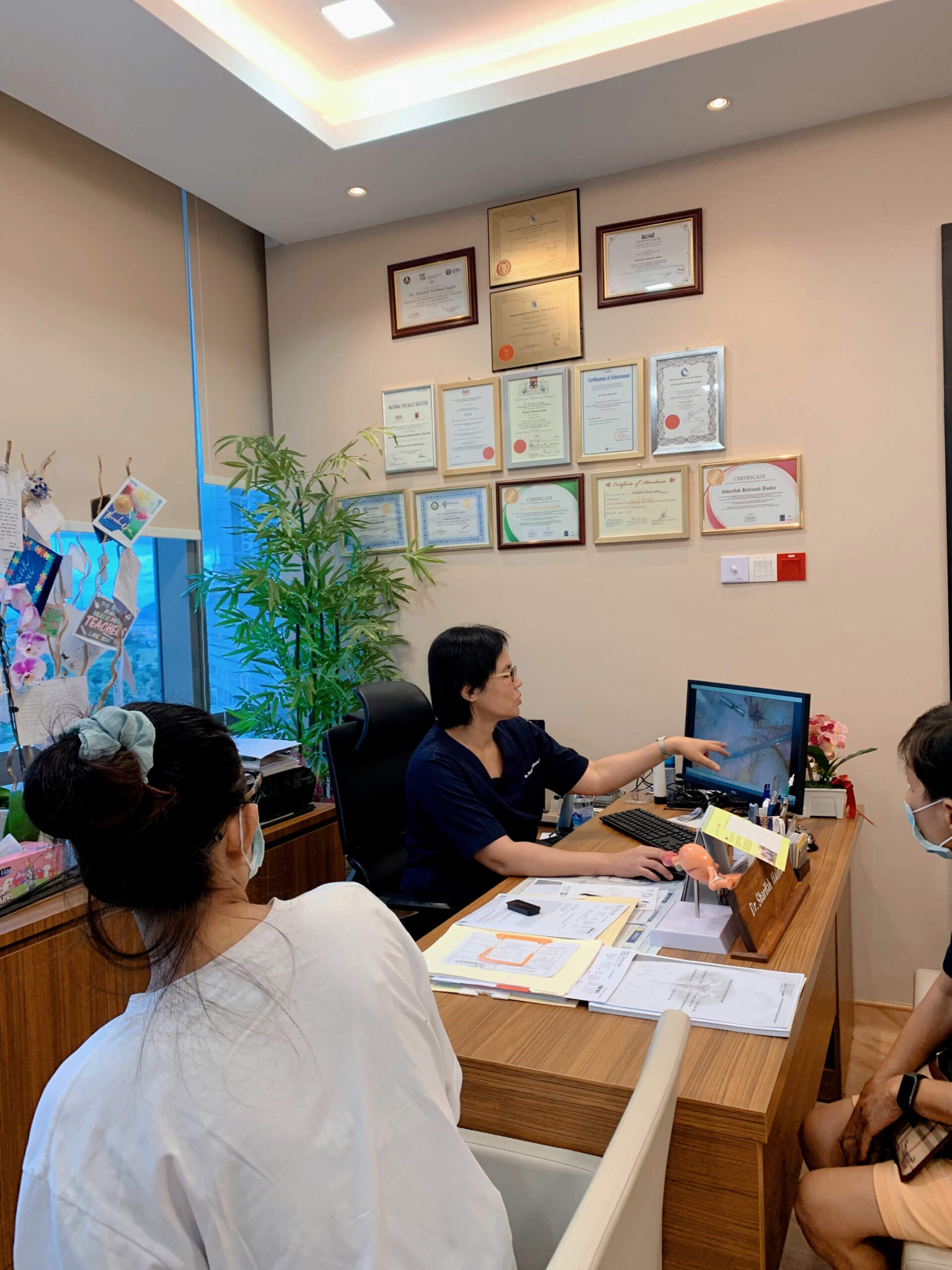
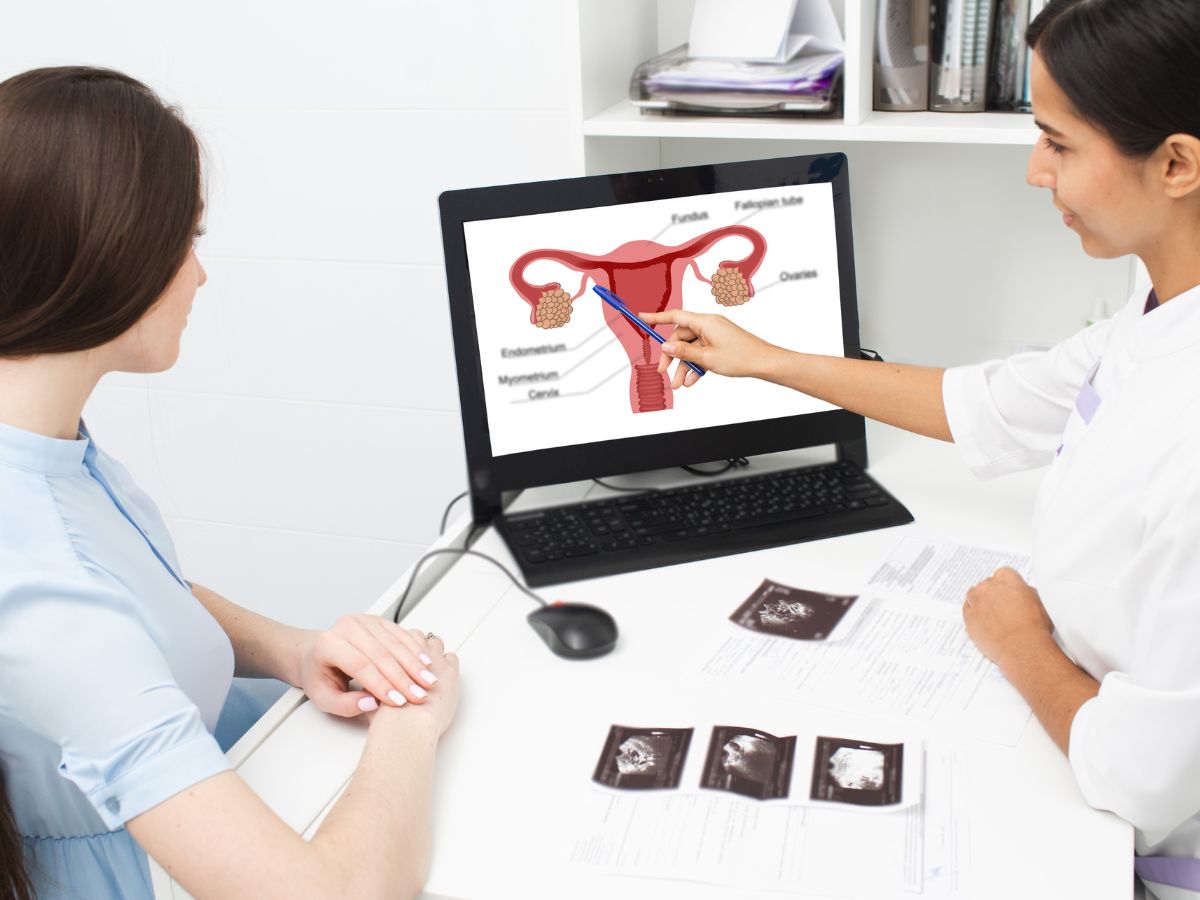
Managing heavy menstrual bleeding starts with a personalised assessment. In your first visit, we discuss your symptoms, cycle pattern, medical history, and family plans. A pelvic ultrasound helps assess the size and shape of the uterus, and in some cases an endometrial sample is taken to exclude hyperplasia or cancer. We’ll also talk about contraception, as pregnancy is not advised after ablation.
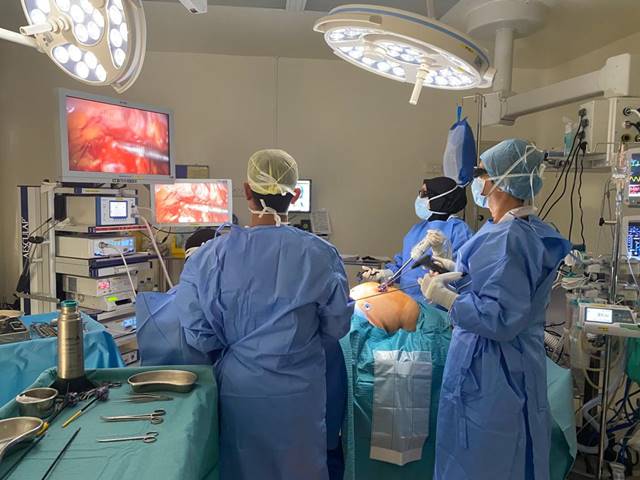
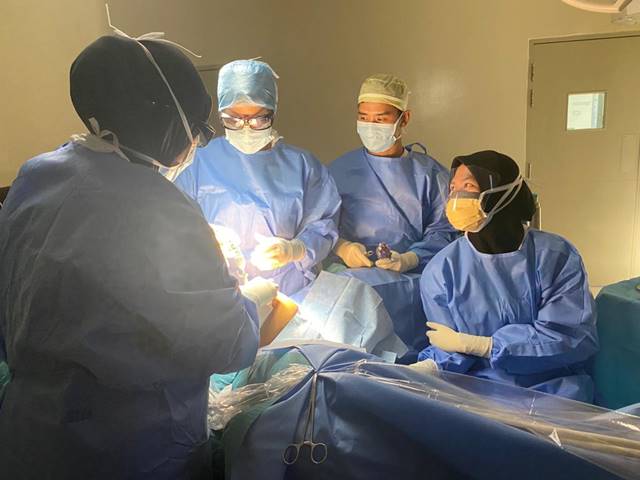
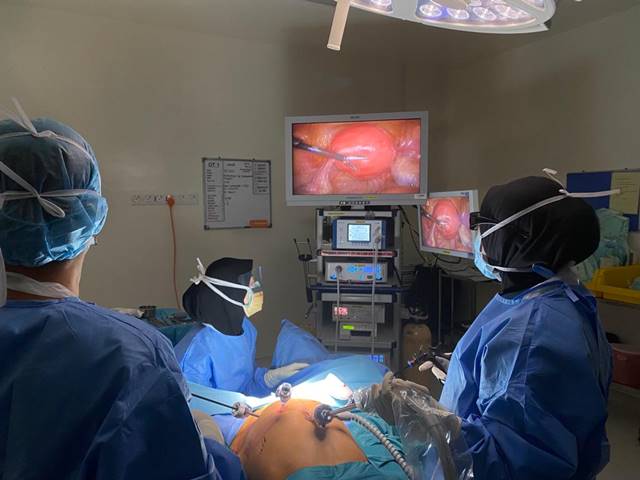
Once you’re confirmed a good candidate, we schedule a day-procedure. Under light anaesthesia or sedation, a slim applicator is passed gently through the cervix—no abdominal cuts are needed. Controlled microwave energy treats the lining of the womb in a short, carefully timed cycle while safety checks monitor temperature and depth. The active treatment usually takes just a few minutes, followed by a brief recovery period in the clinic.
After the procedure, you can usually go home the same day. Mild cramping and a light, watery or blood-stained discharge are common for several days to a couple of weeks. Simple pain relief is often enough. We’ll advise you to avoid tampons, swimming, and intercourse until the discharge settles to reduce infection risk, and to use pads instead.
Improvement is typically noticed over the next 1–3 cycles as the lining thins and bleeding lessens. We’ll arrange a follow-up to review your symptoms, check iron levels if needed, and fine-tune your care. If bleeding remains troublesome, we’ll reassess and discuss next steps—always guided by your goals and overall health.